
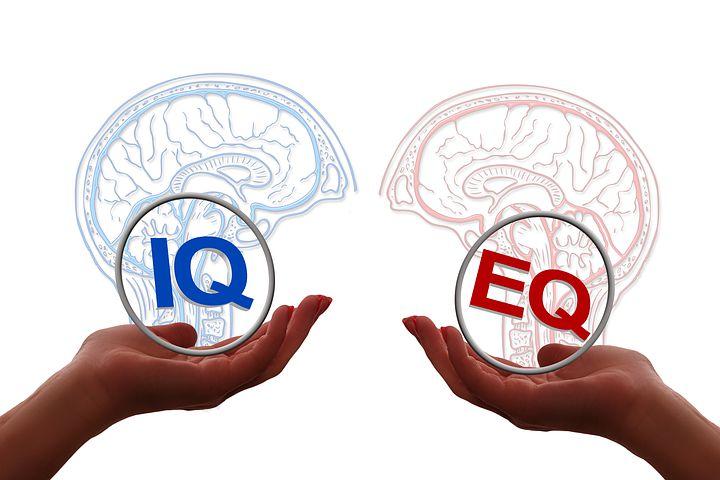
Why Emotional Intelligence Matters More Than IQ in Relationships
For decades, society has celebrated intelligence as one of the greatest predictors of success. High grades, academic achievements, and problem-solving abilities are often viewed as indicators of a person’s potential. While intellectual intelligence (IQ) certainly has its advantages, relationship success depends on a different kind of intelligence altogether: emotional intelligence (EQ).
Many highly intelligent individuals struggle to maintain healthy relationships, while people with average IQs often build strong, lasting connections. The reason is simple. Relationships are not mathematical equations to be solved; they are emotional bonds that require understanding, empathy, communication, and trust.
Emotional intelligence plays a far greater role than IQ when it comes to building meaningful relationships. It influences how people handle conflict, express affection, respond to challenges, and connect with others on a deeper level.
What Is Emotional Intelligence?
Emotional intelligence refers to the ability to recognize, understand, manage, and respond effectively to emotions, both your own and those of others.
Psychologist Daniel Goleman identified five key components of emotional intelligence:
- Self-awareness
- Self-regulation
- Motivation
- Empathy
- Social skills
Together, these abilities help people navigate social interactions and maintain healthy relationships.
Why IQ Alone Is Not Enough
IQ measures cognitive abilities such as reasoning, memory, analytical thinking, and problem-solving. These skills are valuable in education and professional environments. However, they do not automatically translate into successful personal relationships.
A person may be brilliant at solving complex problems yet struggle to:
- Understand a partner’s feelings
- Manage anger during disagreements
- Communicate effectively
- Show empathy
- Build emotional intimacy
As a result, intellectual intelligence may help someone succeed in a career, but emotional intelligence helps them succeed in relationships.
Emotional Intelligence Strengthens Communication
Communication forms the foundation of every healthy relationship. However, effective communication involves much more than speaking clearly.
Emotionally intelligent individuals understand how their words affect others. They listen actively, pay attention to nonverbal cues, and seek to understand before responding.
For example, during a disagreement, a person with high EQ is more likely to say:
“I understand why you’re upset. Can you help me see your perspective?”
Instead of becoming defensive, they focus on understanding the emotions behind the conversation.
Consequently, conflicts become opportunities for growth rather than sources of lasting resentment.
Empathy Creates Deeper Connections
One of the most powerful aspects of emotional intelligence is empathy, the ability to understand and share another person’s feelings.
People naturally feel closer to those who make them feel understood.
When a partner is experiencing stress, sadness, or disappointment, empathy allows someone to respond with compassion rather than judgment. Instead of dismissing emotions, emotionally intelligent individuals acknowledge them and offer support.
As a result, trust deepens and emotional bonds become stronger.
Better Conflict Resolution
Disagreements are unavoidable in any relationship. What determines the health of a relationship is not the absence of conflict but how conflict is handled.
Emotionally intelligent people are better equipped to manage disagreements because they can:
- Control impulsive reactions
- Stay calm under pressure
- Listen to opposing viewpoints
- Express concerns respectfully
- Seek solutions rather than blame
Furthermore, they recognize when emotions are escalating and know when to pause before saying something hurtful.
This ability significantly reduces unnecessary damage during difficult conversations.
Emotional Intelligence Encourages Self-Awareness
Healthy relationships require individuals to understand themselves first.
Self-aware people recognize their emotional triggers, strengths, weaknesses, and behavioral patterns. They take responsibility for their actions instead of constantly blaming others.
For instance, someone with strong emotional intelligence may realize that past experiences influence their reactions to certain situations. Rather than projecting those insecurities onto their partner, they address them constructively.
Therefore, self-awareness promotes personal growth and relationship stability.
Trust Grows Through Emotional Intelligence
Trust is built through consistency, honesty, and emotional safety. Emotionally intelligent individuals tend to create environments where others feel comfortable expressing themselves without fear of criticism or rejection.
Because they manage emotions effectively, they are less likely to engage in behaviors that damage trust, such as manipulation, excessive defensiveness, or emotional outbursts.
Over time, this creates stronger and more resilient relationships.
Emotional Intelligence Supports Long-Term Relationship Success
Research consistently shows that emotional skills are among the strongest predictors of relationship satisfaction.
While physical attraction and shared interests may spark a connection, emotional intelligence helps sustain it over the years.
Couples with high emotional intelligence often demonstrate:
- Greater relationship satisfaction
- Better communication
- Lower levels of conflict
- Stronger emotional intimacy
- Increased resilience during challenges
As life circumstances change, emotional intelligence enables partners to adapt and grow together rather than drift apart.
Can Emotional Intelligence Be Developed?
Unlike IQ, which remains relatively stable throughout life, emotional intelligence can be improved with practice.
Some ways to strengthen emotional intelligence include:
Practice Active Listening
Focus on understanding what others are saying instead of preparing your response.
Increase Self-Reflection
Regularly examine your emotions, reactions, and behavior patterns.
Develop Empathy
Try to see situations from another person’s perspective before making judgments.
Improve Emotional Regulation
Learn healthy ways to manage stress, frustration, and disappointment.
Seek Constructive Feedback
Ask trusted friends, family members, or mentors for honest insights into your communication style and emotional habits.
Over time, these practices can significantly improve relationship quality.
Conclusion
While IQ may help people excel academically and professionally, emotional intelligence is often the determining factor in relationship success. The ability to understand emotions, communicate effectively, resolve conflicts, and empathize with others creates stronger and more meaningful connections.
In the end, relationships thrive not because one person is exceptionally intelligent, but because both individuals possess the emotional skills necessary to understand, respect, and support one another. Therefore, when it comes to building lasting relationships, emotional intelligence is not merely important, it is essential.