
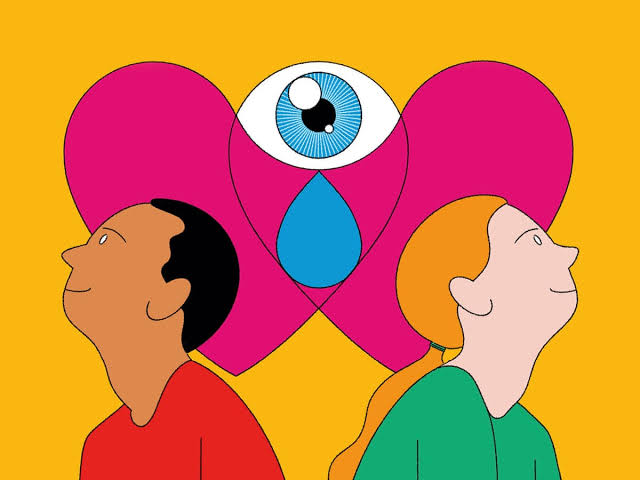
When people think of infidelity, they often picture a physical relationship outside of marriage or a committed partnership.
However, one of the most damaging forms of betrayal can happen without a single kiss or intimate encounter. Emotional affairs have become increasingly common in today’s digitally connected world, where friendships, social media interactions, and workplace relationships can gradually cross healthy boundaries.
Unlike physical affairs, emotional affairs are often difficult to recognize at first. They usually begin as innocent conversations, shared interests, or mutual support. Over time, however, emotional intimacy shifts away from a spouse or partner and becomes centered on someone else. This hidden emotional connection can weaken trust, create distance, and leave lasting wounds in a relationship.
Understanding the truth about emotional affairs is the first step toward protecting healthy relationships and restoring those that have already been affected.
What Is an Emotional Affair?
An emotional affair occurs when a person develops a deep emotional bond with someone outside their committed relationship in ways that should primarily exist between partners. The relationship becomes a source of emotional fulfillment, validation, excitement, or comfort that replaces or competes with the intimacy shared at home.
Although emotional affairs may not involve physical intimacy, they often include:
- Sharing deeply personal thoughts and feelings.
- Seeking emotional comfort from someone else before talking to a partner.
- Keeping conversations secret.
- Looking forward to interactions with the other person more than with one’s spouse.
- Feeling emotionally dependent on someone outside the relationship.
- Hiding the true nature of the friendship.
Many relationship experts agree that secrecy, not physical contact alone, is one of the defining characteristics of an emotional affair.
How Emotional Affairs Usually Begin
Few people intentionally set out to have an emotional affair. Most begin gradually through ordinary interactions.
Common starting points include:
1. Workplace Relationships
Long hours, shared projects, and regular conversations can naturally create emotional closeness between colleagues.
2. Social Media Connections
Old classmates, former partners, or online acquaintances can reconnect through messaging apps, making emotional intimacy easy to develop.
3. Shared Interests
Church groups, volunteer organizations, hobby clubs, and online communities often create opportunities for frequent conversations that become increasingly personal.
4. Times of Emotional Vulnerability
People experiencing loneliness, marital conflict, grief, stress, or life transitions may become especially susceptible to seeking emotional comfort elsewhere.
Why Emotional Affairs Are So Dangerous
Many people justify emotional affairs by saying, “We’re just friends.” However, emotional affairs gradually redirect emotional investment away from the committed relationship.
They Create Emotional Distance
When emotional energy is consistently invested in someone else, the primary relationship often suffers. Conversations become shorter, affection decreases, and genuine intimacy fades.
They Replace Healthy Communication
Instead of discussing frustrations with a spouse, individuals begin discussing them with the other person, creating emotional triangles that deepen relationship problems.
They Break Trust
Even if there is no physical intimacy, secrecy itself damages trust. Discovering hidden messages or concealed friendships can feel like a profound betrayal.
They Often Lead to Physical Affairs
Although not every emotional affair becomes physical, emotional intimacy frequently lowers personal boundaries, increasing the likelihood of further involvement.
Warning Signs of an Emotional Affair
Recognizing the early warning signs can prevent significant damage.
Some common indicators include:
- Frequently thinking about another person.
- Looking forward to conversations with them.
- Comparing your partner to someone else.
- Hiding messages or deleting chats.
- Feeling guilty about the relationship.
- Becoming defensive when questioned.
- Sharing personal struggles with them before your spouse.
- Feeling emotionally disconnected from your partner.
- Prioritizing communication with the other person.
- Becoming secretive about phone or social media activity.
The more secrecy and emotional dependence involved, the greater the concern.
Why People Become Emotionally Attached Outside Their Relationship
Emotional affairs are rarely caused by a single issue. Instead, multiple factors often combine.
Unmet Emotional Needs
Everyone desires appreciation, understanding, encouragement, and affection. When these needs remain unaddressed for long periods, outside attention may feel unusually attractive.
Lack of Healthy Boundaries
Some individuals underestimate how quickly emotional intimacy develops through constant communication.
Conflict Avoidance
Rather than addressing problems within the relationship, some people seek emotional relief elsewhere.
Desire for Validation
Compliments, admiration, and feeling understood can create emotional excitement that becomes addictive.
Personal Insecurity
Low self-esteem may lead individuals to seek affirmation from multiple relationships instead of building confidence within themselves.
The Digital Age Has Changed Everything
Technology has made emotional affairs easier than ever. Private messaging, disappearing chats, video calls, and social media platforms allow emotionally intimate conversations to continue throughout the day without physical meetings.
Many emotional affairs exist almost entirely online while still causing enormous damage to marriages and committed relationships.
Because digital communication feels less serious than face-to-face meetings, people sometimes ignore warning signs until significant emotional attachment has already developed.
The Emotional Impact on the Betrayed Partner
Discovering an emotional affair can produce feelings similar to discovering physical infidelity.
The betrayed partner may experience:
- Shock
- Anger
- Anxiety
- Depression
- Loss of confidence
- Difficulty trusting again
- Emotional confusion
- Fear of abandonment
Many wonder whether they were “not enough,” even though emotional affairs often stem from unresolved personal or relational issues rather than one partner’s shortcomings.
Can a Relationship Recover?
Yes.
Many couples successfully rebuild after an emotional affair, but recovery requires honesty, accountability, and consistent effort.
Healing often includes:
Complete Transparency
The person involved in the emotional affair must end inappropriate contact and become fully honest about what occurred.
Taking Responsibility
Healing begins when excuses stop. Blaming a spouse for the affair only delays recovery.
Rebuilding Communication
Couples must learn to discuss emotional needs openly instead of allowing resentment to grow in silence.
Establishing Healthy Boundaries
Healthy relationships require clear boundaries with friends, coworkers, former partners, and online contacts.
Seeking Professional Counseling
A qualified relationship counselor can help couples identify underlying issues, rebuild trust, and establish healthier communication patterns.
How to Protect Your Relationship
Preventing emotional affairs requires intentional habits.
Healthy couples often:
- Prioritize quality time together.
- Share emotional struggles openly.
- Celebrate each other’s successes.
- Address conflict early.
- Practice honesty even in uncomfortable situations.
- Maintain appropriate boundaries with others.
- Avoid secret friendships.
- Regularly invest in emotional intimacy.
Strong relationships are not built by avoiding temptation alone—they are strengthened through consistent emotional connection.
Final Thoughts
Emotional affairs remind us that faithfulness is about far more than physical behavior. True commitment involves protecting emotional intimacy, maintaining healthy boundaries, and choosing transparency over secrecy.
Every relationship will encounter seasons of stress, loneliness, or unmet expectations. During those moments, the healthiest response is not to seek emotional fulfillment elsewhere but to work toward deeper understanding, honest communication, and renewed connection with your partner.
Trust may be fragile, but with humility, forgiveness, accountability, and intentional effort, many relationships can heal and emerge stronger than before. Guarding your emotional heart is one of the greatest gifts you can offer your relationship, because lasting love is built not only on affection but also on loyalty, honesty, and daily commitment.