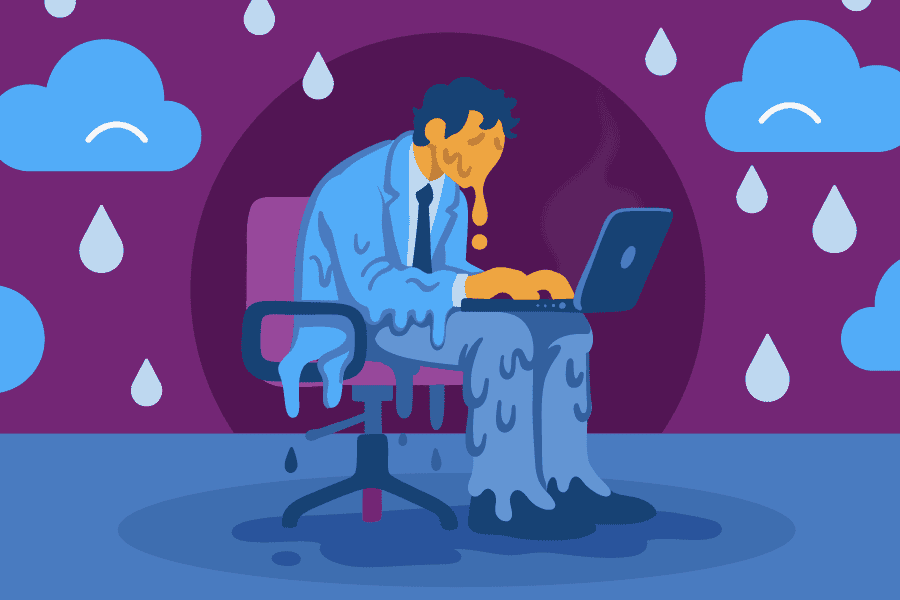
Depression is often associated with visible signs such as sadness, withdrawal, lack of motivation, or difficulty carrying out everyday responsibilities.
However, not everyone experiencing depression appears to be struggling. Some people continue working, studying, socializing, caring for their families, and meeting their responsibilities while privately experiencing significant emotional distress.
This experience is sometimes described as high-functioning depression. Although the term is commonly used in everyday conversations, it is not a formal clinical diagnosis. Mental health professionals may instead assess whether someone meets the criteria for conditions such as persistent depressive disorder (PDD) or major depressive disorder (MDD).
Because a person may continue functioning outwardly, their difficulties can remain unnoticed for a long time. Recognizing the less obvious signs can help people seek appropriate support before their emotional struggles become more overwhelming.
What Is High-Functioning Depression?
High-functioning depression generally refers to experiencing depressive symptoms while continuing to maintain many normal responsibilities.
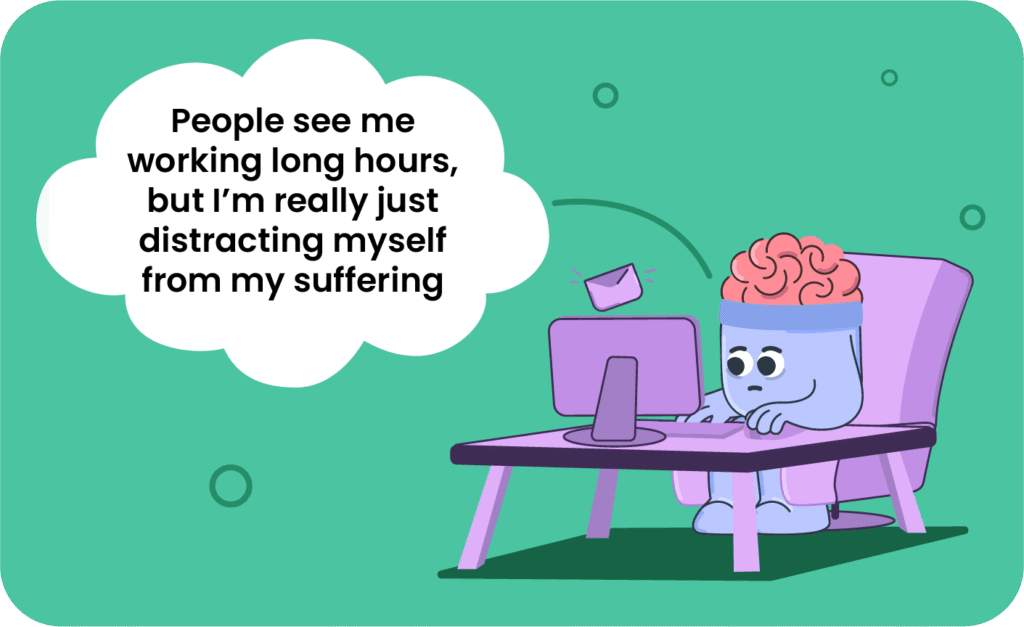
Someone might go to work every morning, complete assignments, attend social events, respond to messages, and appear cheerful around others. At the same time, they may feel emotionally exhausted, disconnected, hopeless, or persistently low.
This contrast between external functioning and internal suffering is one reason depression can sometimes be difficult to recognize.
It is important to remember that appearing productive does not necessarily mean someone is emotionally well. People can perform effectively while struggling significantly on the inside.
Common Signs to Look Out For
High-functioning depression can look different from person to person. Some common signs include:
1. Persistent Emotional Exhaustion
A person may constantly feel tired even when they appear to be keeping up with their responsibilities.
Rest may not provide the sense of recovery they expect. Simple tasks can also begin to feel unnecessarily difficult.
2. Losing Interest in Things Once Enjoyed
Someone who previously enjoyed hobbies, social activities, music, exercise, or spending time with friends may gradually lose interest.
They may still participate occasionally, but the activities no longer bring the same sense of enjoyment.
3. Constant Self-Criticism
A person may become extremely critical of themselves.
They might repeatedly think:
- “I should be doing more.”
- “Everyone else is coping better than I am.”
- “I am not good enough.”
- “I should be grateful, so I shouldn’t feel this way.”
This internal criticism can make it harder to recognize that they may need support.
4. Difficulty Experiencing Joy
A person may accomplish important goals but feel surprisingly little satisfaction afterward.
They may receive praise at work, achieve a personal milestone, or celebrate an important occasion while internally feeling empty or emotionally detached.
5. Changes in Sleep
Depression can affect sleep in different ways.
Some people sleep much more than usual, while others struggle to fall asleep, wake frequently, or wake earlier than they intend.
6. Changes in Appetite or Eating Patterns
Emotional distress can also influence eating habits.
Someone might lose their appetite, eat significantly more than usual, or use food as a way of coping with difficult emotions.
7. Irritability
Depression does not always appear as sadness.
For some people, particularly adults who are uncomfortable expressing vulnerability, depression may appear as irritability, frustration, impatience, or anger.
8. Feeling Emotionally Numb
Instead of feeling intensely sad, someone may describe feeling empty, disconnected, or simply unable to care.
They may say, “I don’t know what’s wrong with me. I just don’t feel anything.”
9. Constantly Staying Busy
Some people respond to emotional discomfort by filling every moment with work, responsibilities, social activities, or other distractions.
Being busy can temporarily prevent difficult thoughts and feelings from becoming noticeable. However, avoiding those emotions indefinitely can make them harder to process.
Why Can It Be Difficult to Recognize?
One major reason is that depression does not always look the way people expect. Society often associates depression with someone who cannot get out of bed or stop functioning. While those experiences can occur, depression exists across a broad range of severity and presentation.
A person may continue performing well at work while struggling emotionally. A parent may continue caring for their children while feeling hopeless. A student may achieve good grades while experiencing persistent emotional exhaustion.
Their productivity does not invalidate their experience.
Another challenge is that people who appear successful may believe they have no legitimate reason to feel depressed.
They may think, “I have a job, a family, friends, and things to be grateful for. Why am I struggling?”
Mental health difficulties are not always explained by someone’s external circumstances. Acknowledging emotional pain does not mean someone is ungrateful or weak.
The Danger of Minimizing the Problem
Because someone is still functioning, they may postpone seeking help. They might tell themselves that things are “not bad enough” yet or that they should simply work harder.
This can create a cycle:
Emotional distress → increased work or distraction → temporary relief → exhaustion → greater distress.
Over time, maintaining this pattern can become increasingly difficult. Recognizing the problem early creates an opportunity to explore what is happening and identify appropriate support.
How to Support Someone Who May Be Struggling
If you notice changes in someone you care about, approach them with compassion rather than judgment.
Instead of saying, “You seem fine to me,” consider saying:
“I’ve noticed you’ve seemed more tired lately. How have you really been feeling?”
Give them room to answer honestly.
You do not have to solve their problems. Sometimes listening without immediately offering advice can be incredibly valuable.
You can also encourage them to speak with a qualified mental health professional if their symptoms persist or interfere with their wellbeing.
What Can Someone Do If They Recognize These Signs?
Recognizing several of these symptoms does not automatically mean that someone has depression. Other mental-health conditions, physical health issues, medications, stress, grief, sleep problems, and life circumstances can produce similar symptoms.
A qualified healthcare or mental health professional can help determine what may be happening.
Practical steps can include:
- Talking to a doctor, counselor, psychologist, or other qualified professional.
- Telling a trusted person what you have been experiencing.
- Maintaining regular sleep and meal routines where possible.
- Making time for meaningful activities rather than only productive ones.
- Reducing unnecessary isolation.
- Writing down changes in mood, sleep, appetite, energy, and concentration.
- Avoiding using alcohol or drugs as the primary way of managing emotional distress.
Most importantly, seeking help does not require a person to wait until they can no longer function.
When Immediate Help Is Necessary
Depression can sometimes involve thoughts of death, self-harm, or suicide.
If someone is thinking about harming themselves, feels unable to stay safe, or believes they may act on suicidal thoughts, they should seek immediate help from emergency services, a nearby hospital, a trusted person, or an appropriate crisis service. They should not be left alone during an immediate safety crisis.
These situations deserve urgent attention regardless of how successful or functional the person may appear to others.
Creating a Culture Where People Can Be Honest
Recognizing high-functioning depression also requires changing the way we talk about emotional wellbeing.
Statements such as “You have everything going for you” or “You don’t look depressed” may unintentionally discourage people from speaking honestly.
Instead, we can create safer conversations by asking questions, listening without judgment, and taking emotional struggles seriously.
Someone does not have to lose their job, stop attending school, or withdraw completely from society before their pain becomes worthy of attention.
Final Thoughts
High-functioning depression reminds us that appearances do not always tell the complete story. A person can be productive and exhausted. They can be successful and unhappy. They can laugh with friends while privately struggling with persistent emotional pain.
Recognizing these contradictions can encourage greater compassion toward ourselves and others.
If you have noticed persistent changes in your mood, energy, interests, sleep, appetite, concentration, or sense of hope, consider talking with a qualified professional. Asking for help is not a failure to cope. It can be an important step toward understanding what you are experiencing and finding appropriate support.
Mental health deserves attention even when someone appears to be doing well on the outside.