
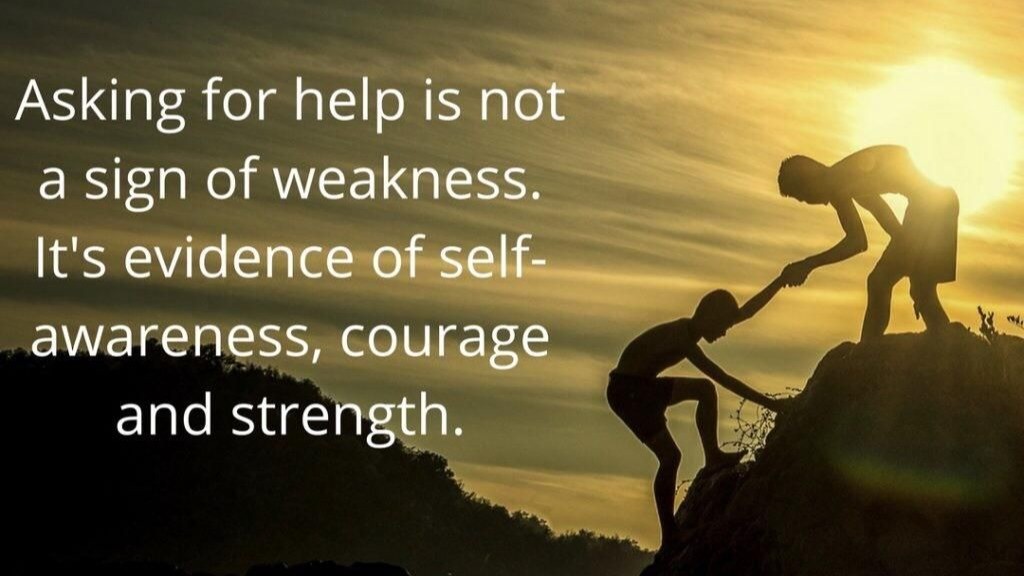
Many people grow up believing that asking for help is a sign of weakness.
Society often celebrates those who appear strong, independent, and capable of handling every challenge alone. As a result, people hide their struggles, suppress their emotions, and avoid seeking support, even when they desperately need it.
This mindset can be particularly common in African communities, where cultural expectations sometimes encourage people to endure hardship silently. Phrases such as “be strong,” “men don’t cry,” and “keep your family matters private” can discourage individuals from speaking openly about their difficulties.
However, strength does not mean having all the answers or solving every problem independently. Sometimes, the bravest thing a person can do is admit that they need help.
Whether someone is struggling with emotional distress, relationship difficulties, academic pressure, financial challenges, or personal uncertainty, reaching out for support can be an important step towards healing and growth.
Understanding why seeking help is a sign of strength can encourage people to abandon harmful misconceptions and embrace healthier ways of managing life’s challenges.
1. Seeking Help Requires Courage and Self-Awareness
Admitting that something is wrong is not always easy. It requires honesty, vulnerability, and the willingness to confront uncomfortable feelings.
Many people spend years pretending to be fine because they fear being judged or misunderstood. They may worry that others will see them as incapable, weak, or irresponsible. Consequently, they continue struggling in silence.
Seeking help requires a different kind of courage. It means acknowledging that a problem exists instead of pretending it will disappear.
For example, someone experiencing persistent anxiety may initially dismiss their feelings as ordinary stress. However, recognising that the anxiety is affecting their sleep, work, or relationships can be the first step towards getting appropriate support.
Similarly, a student who is struggling academically demonstrates self-awareness by approaching a lecturer for guidance rather than allowing the problem to worsen.
Recognising personal limitations does not diminish a person’s worth. Instead, it shows an understanding of their needs and a willingness to take responsibility for their well-being.
2. Nobody Is Expected to Have Everything Figured Out
One of the greatest pressures people experience is the expectation that they should always know what to do.
Social media can make this pressure worse. People regularly encounter carefully edited images of successful careers, happy relationships, financial achievements, and seemingly perfect lives. These images can create the impression that everyone else has life under control.
In reality, every person faces challenges that others may never see.
A successful professional may struggle with burnout. A respected parent may feel overwhelmed by family responsibilities. A confident-looking individual may experience loneliness or uncertainty about the future.
Life is complicated, and nobody possesses all the answers.
Seeking guidance from someone with relevant knowledge or experience can help people understand situations more clearly. A mentor may offer career direction, a trusted friend may provide emotional support, and a qualified counsellor may help someone work through difficult emotions.
Asking questions does not make someone less capable. It creates opportunities to learn, improve, and make informed decisions.
3. Asking for Help Protects Your Mental and Emotional Well-Being
Emotional struggles do not always disappear simply because someone refuses to discuss them.
When people continually suppress their feelings, unresolved concerns can affect their relationships, concentration, sleep, and daily functioning. Some may become withdrawn, irritable, or emotionally exhausted without fully understanding why.
Although everyone experiences difficult emotions, persistent distress should not be ignored.
Talking to a trusted person can provide relief by allowing someone to express thoughts they have been carrying alone. It can also help them recognise patterns, consider different perspectives, and identify practical steps towards addressing a problem.
For people experiencing ongoing anxiety, depression, grief, trauma, or overwhelming stress, professional support may be particularly helpful.
A qualified mental health professional can provide appropriate guidance, coping strategies, and treatment where necessary.
Seeking professional assistance does not mean a person has failed to manage their emotions. It means they recognise the importance of their mental health and are willing to take steps to protect it.
Just as someone would consult a healthcare professional about a persistent physical problem, emotional difficulties can also deserve professional attention.
4. Strength Does Not Mean Carrying Every Burden Alone
Independence is valuable. However, independence should not be confused with isolation.
Human beings depend on one another in different ways. Families, friendships, workplaces, and communities function through cooperation, shared responsibility, and mutual support.
Consider a person who is caring for an elderly parent while managing work and raising children. They may feel obligated to handle every responsibility without complaining. However, refusing assistance could leave them physically and emotionally exhausted.
Asking a sibling to share caregiving duties, requesting flexibility at work, or seeking help with household responsibilities may create a healthier balance.
The same principle applies to financial difficulties, relationship conflicts, and professional challenges.
Accepting support does not mean surrendering responsibility. Rather, it allows people to approach their responsibilities with greater clarity and capacity.
Sometimes, strength is not about carrying a heavier load. It is about recognising when the load has become too heavy and allowing others to help.
5. Seeking Help Can Strengthen Relationships
Healthy relationships require honesty, trust, and the willingness to communicate needs.
Unfortunately, some people believe that expressing vulnerability will make others lose respect for them. They hide their struggles because they fear becoming a burden or appearing incapable.
However, refusing to communicate can create emotional distance.
When someone tells a trusted friend that they are struggling, it creates an opportunity for understanding and connection. The other person may not have an immediate solution, but listening and offering support can make the situation feel less isolating.
In romantic relationships, communicating personal difficulties can also encourage partners to understand one another more deeply.
For example, instead of withdrawing during a stressful period, someone might say, “I have been feeling overwhelmed lately, and I need someone to talk to.”
Such honesty can prevent misunderstandings and encourage healthier communication.
Of course, not everyone is equipped to respond with empathy. Therefore, it is important to choose supportive, trustworthy people who respect personal boundaries and confidentiality.
Seeking help does not require sharing everything with everyone. It means finding appropriate people with whom it is safe to be honest.
6. Asking for Help Is an Opportunity for Growth
Personal growth often begins when people acknowledge that they do not know everything.
A young professional who asks an experienced colleague for feedback creates an opportunity to develop new skills. An entrepreneur who consults a financial adviser may gain a better understanding of budgeting and business planning. A person experiencing relationship difficulties may learn healthier communication techniques through counselling.
In each situation, asking for help opens the door to learning.
People who are willing to seek guidance can identify mistakes earlier, discover alternative approaches, and make better-informed decisions.
This does not mean accepting every piece of advice without question. Different people have different experiences, values, and levels of expertise. It is important to consider advice carefully and seek qualified assistance when dealing with specialised issues.
Nevertheless, remaining open to guidance can help people develop greater confidence and resilience.
True confidence does not require pretending to know everything. It allows room for questions, corrections, and continuous improvement.
7. Overcoming the Fear of Being Judged
For many people, the greatest obstacle to seeking help is the fear of what others might think.
In some environments, people who discuss their mental health are unfairly labelled as weak. Others are criticised for struggling financially, experiencing relationship problems, or failing to meet certain expectations.
These attitudes can discourage people from seeking support when they need it most.
Overcoming this fear begins with understanding that needing help is a normal part of being human.
It may also help to start small. Someone who finds it difficult to discuss personal problems can begin by speaking with one trusted individual. They can explain what they feel comfortable sharing and ask for a specific kind of support.
For example, they might need someone to listen without offering advice, help with a practical task, or information about professional services.
Setting boundaries is equally important. People are not obligated to disclose their personal struggles to individuals who may ridicule them, exploit their vulnerability, or violate their privacy.
The goal is not to seek everyone’s approval. It is to recognise when support is needed and find a safe, appropriate way to obtain it.
8. How to Start Asking for Help
If seeking help feels uncomfortable, taking the first step can seem difficult. Fortunately, it does not have to involve a long explanation or a dramatic conversation.
Here are a few practical ways to begin:
Identify what you need. Are you looking for emotional support, professional guidance, practical assistance, or someone who can simply listen? Understanding your needs makes it easier to communicate them.
Choose someone you trust. Consider a reliable friend, family member, mentor, counsellor, or other qualified professional who can respond appropriately.
Start with a simple statement. You could say, “I have been having a difficult time, and I would appreciate someone to talk to.”
Be honest about your limits. You do not need to explain everything immediately. Share what you feel comfortable sharing.
Accept that support may take time. One conversation may not solve the entire problem. Some challenges require continued effort, professional assistance, or several different forms of support.
Most importantly, remember that asking for help is a step, not a failure. You can seek support while continuing to take responsibility for your choices and actions.
Conclusion
The belief that strong people should handle everything alone can prevent individuals from receiving the support they need. It encourages silence where communication is necessary and isolation where connection could make a difference.
However, strength is not the absence of struggle. It is the willingness to acknowledge difficulties, make responsible decisions, and take meaningful steps towards addressing them.
Seeking help requires courage because it asks people to confront their limitations, challenge social expectations, and trust others with parts of their experiences.
Whether you are speaking to a friend, approaching a mentor, asking a family member for practical assistance, or seeking professional counselling, reaching out can be an important act of self-respect.
You do not have to wait until you are completely overwhelmed before asking for support. You do not need to prove your strength by suffering in silence.
Sometimes, the strongest words a person can say are, “I cannot do this alone, and I need help.”
There is no shame in those words. They can mark the beginning of healing, understanding, and a healthier relationship with yourself and the people around you.
Remember: you can be strong and still need support. The two are not opposites.