
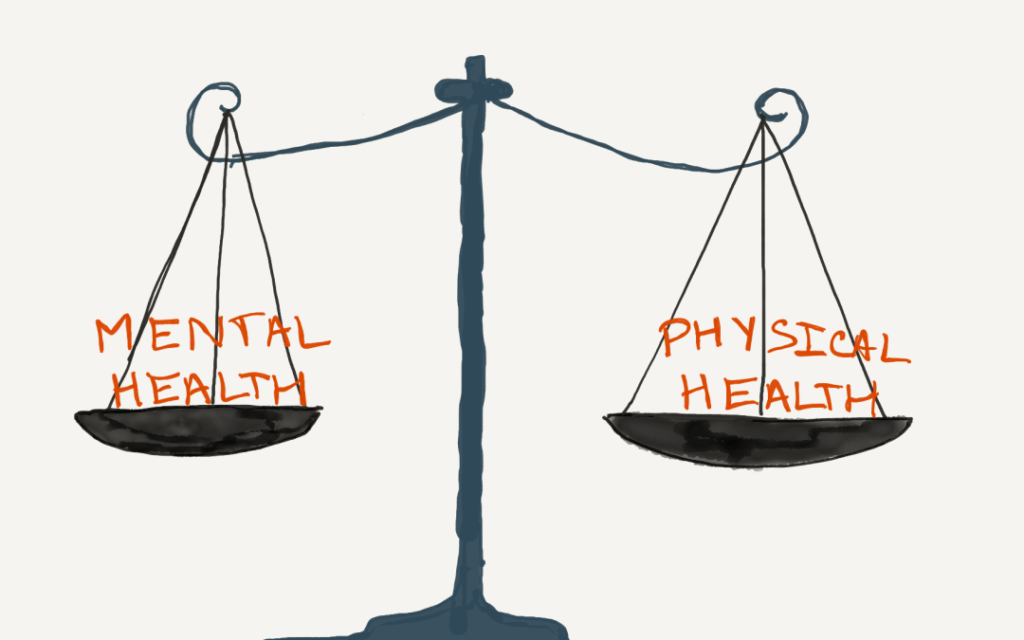
Have you ever noticed how stress can give you a headache, how anxiety can make your heart race, or how sadness can leave you feeling physically exhausted?
These experiences reveal an important truth: mental health and physical health are closely connected. The way we think, feel, and respond to life’s challenges can influence how our bodies function. Similarly, our physical condition can affect our emotions, thoughts, and overall well-being.
For many people, health means eating nutritious meals, exercising regularly, taking medication when necessary, and visiting a doctor when something feels wrong. While these habits are essential, mental well-being deserves the same attention. Emotional distress can affect sleep, appetite, energy levels, and the body’s ability to manage stress.
Understanding the relationship between mental and physical health is an important step towards living a healthier life. It also helps us recognise when we need support and why caring for the mind is just as important as caring for the body.
What Is Mental Health?
Mental health refers to our emotional, psychological, and social well-being. It influences how we think, feel, behave, manage stress, relate to others, and make decisions.
Good mental health does not mean being happy all the time. Everyone experiences disappointment, grief, fear, anger, and frustration. Rather, good mental health involves having the ability to navigate these emotions, cope with challenges, maintain relationships, and seek help when necessary.
Mental health difficulties can range from temporary emotional distress to conditions such as depression, anxiety disorders, and post-traumatic stress disorder. These experiences can affect daily activities, relationships, work, and physical well-being.
What Is Physical Health?
Physical health describes the condition of the body and its ability to function effectively. It involves the proper functioning of organs, muscles, bones, and other body systems.
Several factors influence physical health, including nutrition, exercise, sleep, genetics, medical care, and the environment in which a person lives.
However, physical health is not determined by these factors alone. Emotional experiences, prolonged stress, and mental health conditions can also influence bodily functions. This is why a person’s overall health cannot always be understood by examining physical symptoms alone.
How Mental Health Affects Physical Health
The connection between mental and physical health works through several biological and behavioural processes.
1. Chronic Stress Can Affect the Body
Stress is a natural response to challenging situations. When you face danger or pressure, your body releases hormones such as adrenaline and cortisol. These hormones prepare you to respond by increasing alertness, heart rate, and energy availability.
In the short term, this response can be useful. However, prolonged stress may keep the body in a heightened state of alertness.
Persistent stress can contribute to headaches, muscle tension, digestive discomfort, sleep problems, and elevated blood pressure. Over time, chronic stress may also contribute to cardiovascular and other health problems.
For example, someone dealing with financial difficulties, workplace pressure, or family conflict may experience frequent headaches and difficulty sleeping. Although these symptoms may appear purely physical, stress could be contributing to them.
Learning to manage stress through relaxation, healthy routines, social support, and professional guidance can help protect overall well-being.
2. Mental Health Can Influence Sleep
Sleep is essential for the brain and body to recover. During sleep, the body supports tissue repair, immune function, memory, and emotional regulation.
Unfortunately, anxiety and depression can interfere with healthy sleep patterns. An anxious person may struggle to quiet their thoughts at night, while someone experiencing depression may sleep excessively or wake repeatedly.
Poor sleep can then worsen emotional difficulties. A person who sleeps poorly may become more irritable, struggle to concentrate, and find ordinary challenges harder to manage.
This creates a cycle in which mental health difficulties disrupt sleep, and insufficient sleep makes emotional regulation more difficult.
Maintaining consistent sleeping hours, reducing screen use before bed, and creating a comfortable sleeping environment can help. Persistent sleep problems, however, may require professional assessment.
3. Mental Health Can Affect the Immune System
The immune system protects the body against infections and other threats. Research suggests that prolonged psychological stress can influence immune function and the body’s inflammatory responses.
When stress becomes persistent, changes in stress hormones and inflammatory activity may affect how the body responds to illness.
This does not mean that every person experiencing anxiety or depression will develop an infection. Instead, it highlights how psychological experiences can influence biological processes.
Eating balanced meals, getting adequate rest, staying physically active, and managing stress can support general health. People should also continue following appropriate medical advice rather than relying on stress management alone to prevent or treat illness.
4. Emotional Distress Can Influence Daily Habits
Mental health affects many everyday decisions, including what we eat, how much we move, and whether we maintain healthy routines.
For instance, someone experiencing depression may lack the motivation to prepare meals, exercise, or keep medical appointments. Another person may respond to anxiety by overeating, smoking, drinking alcohol, or consuming excessive caffeine.
These behaviours can gradually affect physical health.
The relationship also works in the opposite direction. Regular physical activity, balanced nutrition, and sufficient sleep can support emotional well-being.
Small, realistic changes are often more sustainable than attempting to change every habit at once.
How Physical Health Affects Mental Health
The relationship between the mind and body is not one-sided. Physical health problems can also influence emotional and psychological well-being.
1. Chronic Illness Can Increase Emotional Stress
Living with conditions such as diabetes, heart disease, arthritis, or chronic pain can be emotionally demanding.
Managing medication, attending appointments, paying for treatment, and adjusting daily routines may create anxiety or frustration. Some people may also experience sadness because their condition limits activities they previously enjoyed.
These emotional responses are understandable. However, persistent distress should not be ignored, particularly when it interferes with daily life or makes managing the illness more difficult.
Healthcare professionals can help patients address both the physical condition and its emotional effects.
2. Pain Can Affect Mood and Relationships
Persistent physical pain can make it difficult to work, sleep, exercise, or participate in social activities. Over time, these limitations may contribute to loneliness, irritability, anxiety, or depression.
Meanwhile, emotional distress can increase sensitivity to pain and make pain harder to manage.
This interaction does not mean the pain is imaginary. The pain is real, even when psychological factors influence how intensely it is experienced.
Effective care may involve medical treatment, appropriate physical activity, psychological support, and strategies for improving daily functioning.
3. Hormonal and Medical Changes Can Influence Emotions
Physical changes within the body can affect mood, concentration, and energy levels.
For example, thyroid disorders, hormonal changes, nutritional deficiencies, and certain medications may contribute to symptoms that resemble depression or anxiety.
Consequently, persistent emotional difficulties should not automatically be attributed to personal weakness or psychological causes alone. A healthcare professional can help determine whether physical factors are contributing to the symptoms.
Practical Ways to Improve Mental and Physical Health Together
Because mental and physical health are interconnected, caring for both can improve overall well-being.
Prioritise regular physical activity. Walking, dancing, cycling, stretching, or participating in a favourite sport can support cardiovascular health and improve mood. Begin with manageable activities and gradually increase them according to your ability.
Eat balanced meals. Include vegetables, fruits, whole grains, protein sources, and healthy fats where available. In Nigeria, affordable options may include beans, eggs, leafy vegetables, fish, and locally available fruits. Consistent nourishment supports the body’s needs and helps maintain energy.
Develop a healthy sleep routine. Aim for a consistent bedtime and waking time. Reduce late-night stimulation and address ongoing sleep difficulties rather than accepting them as normal.
Build meaningful relationships. Talking with trusted friends, family members, or supportive community members can reduce feelings of isolation. You do not need to face every challenge alone.
Learn to manage stress. Deep breathing, journaling, prayer or meditation if meaningful to you, time outdoors, and realistic daily planning can help you manage pressure.
Seek professional support. Consult a qualified healthcare professional when physical symptoms persist or emotional difficulties begin to interfere with daily life. Depending on your needs, support may involve a doctor, psychologist, counsellor, or psychiatrist.
Breaking the Stigma Around Mental Health
In many communities, including parts of Nigeria, people may feel pressure to hide emotional struggles. They may fear being judged as weak, ungrateful, or incapable of handling responsibility.
Such attitudes can discourage people from seeking help until their difficulties become overwhelming.
Mental health challenges are not character flaws. Seeking support is a responsible step towards protecting one’s well-being. Just as someone with persistent chest pain should seek medical attention, someone experiencing prolonged emotional distress deserves appropriate care.
Families, workplaces, schools, and communities can contribute by encouraging open conversations, treating people with compassion, and making professional support easier to access.
Conclusion
Mental health and physical health are deeply interconnected. Prolonged stress can affect sleep, immunity, and bodily functions, while chronic illness and persistent pain can influence mood, relationships, and emotional stability.
Recognising this connection helps us approach health more comprehensively. Instead of treating emotional and physical difficulties as entirely separate concerns, we can pay attention to how they influence one another.
Healthy habits, supportive relationships, appropriate medical care, and access to mental health services all contribute to overall well-being.
Most importantly, remember that caring for your mind is not separate from caring for your body. Both deserve attention, patience, and compassion. When you take steps to protect one, you are often supporting the other as well.