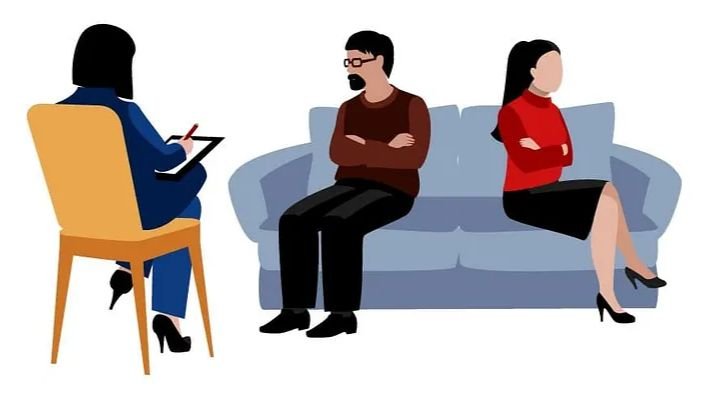
Your marriage may need counselling when the same arguments keep returning, emotional intimacy is disappearing, trust has been damaged or you can no longer discuss important issues without hostility or withdrawal.
You do not have to wait until separation becomes likely before seeking professional support; counselling can help couples understand destructive patterns and address them earlier.
Every marriage experiences difficult seasons. Financial pressure, parenting responsibilities, work demands, family expectations, health challenges and personal changes can affect how spouses relate to each other.
The presence of disagreements does not automatically mean a marriage is failing. What matters is how partners handle those disagreements, whether they can repair emotional injuries and whether both people feel respected.
However, when the same problems continue without resolution, couples may gradually become strangers living in the same home. Conversations become shorter, affection becomes less frequent and even ordinary questions can trigger arguments.
Recognising these patterns early gives couples an opportunity to seek help before resentment becomes deeply established.
1. Every conversation turns into an argument
One of the clearest signs that a marriage needs attention is the inability to discuss ordinary issues without conflict.
A conversation about school fees may become an argument about responsibility. A question about household chores may turn into a complaint about years of neglect. Even a simple request can be interpreted as criticism.
Repeated conflict often develops when couples stop listening to understand and start listening to defend themselves.
You may notice that:
- Small disagreements become disproportionately intense.
- One partner constantly interrupts or talks over the other.
- Discussions end with insults, shouting or threats.
- You avoid raising important issues because you expect an argument.
- Neither person feels heard after a disagreement.
Healthy marriages do not require partners to agree on everything. They require a way to disagree without attacking each other’s dignity.
Counselling can help couples identify what triggers their arguments and practise more constructive ways to discuss difficult subjects.
2. You have stopped communicating meaningfully
Some couples rarely argue because they have stopped discussing anything important.
They talk about groceries, bills, children, transport and daily schedules, but avoid conversations about feelings, expectations, disappointment or the future.
This kind of silence can be mistaken for peace. In reality, it may reflect emotional withdrawal.
Ask yourself:
- Do you still tell your spouse when something is bothering you?
- Can you discuss your fears without feeling judged?
- Do you share personal achievements and disappointments?
- Are important decisions discussed together?
- Do you feel that your partner is genuinely interested in your life?
If most meaningful conversations have disappeared, the relationship may need deliberate attention.
A therapist can help identify why communication has become difficult and create a safer structure for discussing sensitive issues.
3. You feel lonely even when your spouse is around
Emotional loneliness can be one of the most painful experiences in marriage.
Your spouse may be physically present but emotionally unavailable. You may share a home, attend family events and raise children together while feeling that there is nobody you can truly talk to.
This can happen when affection, curiosity and emotional support gradually disappear.
You may begin to seek companionship elsewhere, spend more time alone or stop sharing personal experiences with your spouse.
The problem is not necessarily the number of hours you spend together. It is whether you feel connected during that time.
Counselling can help couples understand how emotional distance developed and whether both partners are willing to rebuild closeness.
4. Trust has been damaged
Trust can be affected by infidelity, repeated dishonesty, financial secrecy, broken promises or hidden communication.
Sometimes the issue is a single major incident. In other situations, trust deteriorates through repeated small breaches that make one partner feel unsafe or uncertain.
You may notice:
- Constant suspicion about your spouse’s explanations.
- Repeated checking of phones, messages or movements.
- Anxiety when your partner is unavailable.
- Difficulty believing promises.
- A reluctance to discuss sensitive matters honestly.
Rebuilding trust requires more than telling someone to stop worrying. The person who broke the trust must demonstrate accountability, while both partners need a realistic plan for addressing the damage.
A counsellor can help structure these conversations and assess whether rebuilding the relationship is a shared goal.
5. Affection and intimacy have disappeared
Physical and emotional intimacy can change during marriage. Stress, pregnancy, parenting, illness, grief, medication, unresolved conflict and other circumstances may affect desire and closeness.
A change in intimacy does not automatically mean a marriage is failing. The concern becomes more serious when partners cannot discuss it without shame, blame or rejection.
For example, one spouse may feel unwanted while the other feels pressured. Both may withdraw rather than explain what they need.
Counselling can help couples discuss intimacy respectfully, understand the factors affecting it and consider appropriate next steps. Where physical or medical concerns are involved, a referral to a suitable healthcare professional may also be necessary.
6. You keep bringing up the same unresolved issues
Some arguments appear to end, but the underlying problem never changes.
A couple may apologise after an argument about money, only to repeat the same conflict the following month. Another couple may agree to share household responsibilities but return to the same imbalance.
When problems repeatedly return, the issue may be deeper than the immediate disagreement.
It may involve different expectations, unspoken resentment, poor boundaries, incompatible financial habits or a lack of follow-through.
Rather than treating each argument as a separate incident, counselling helps couples identify the recurring pattern behind them.
7. One or both partners use contempt, humiliation or insults
Disagreement becomes damaging when it involves repeated disrespect.
Examples include mocking a spouse’s appearance, education or income; using humiliating names; ridiculing personal struggles; or treating a partner as intellectually or morally inferior.
Relationship researcher John Gottman identifies criticism, contempt, defensiveness and stonewalling as the Four Horsemen—communication patterns associated with relationship distress.
Contempt is particularly destructive because it communicates disrespect rather than simply expressing dissatisfaction.
Compare these statements:
- “You are useless with money.”
- “I am worried about our spending. Can we review the budget together?”
The first attacks a person’s identity. The second identifies a concern and invites problem-solving.
Couples can learn to raise difficult issues without degrading each other. However, repeated humiliation should not be dismissed as ordinary marital banter.
8. You are considering separation but have not discussed it honestly
Thoughts about separation do not always mean that a marriage is over. They may indicate that a person feels exhausted, unheard or uncertain about whether the relationship can improve.
Some people keep these thoughts private because they fear their spouse’s reaction. Others use separation threats during arguments to gain control.
If one or both partners are seriously considering leaving, it is important to understand what has led to that point.
Counselling can help couples examine their options, clarify what would need to change and make decisions more thoughtfully.
Therapy should not be used to pressure someone into staying in a relationship. Where there is violence, coercion or intimidation, individual safety support should take priority over joint counselling.
9. Money has become a constant source of conflict
Financial disagreements are common, but repeated conflict about money can create deep resentment.
One partner may feel burdened by household expenses, while the other feels judged for earning less. There may be disagreements about savings, debt, family contributions, business investments or financial support to relatives.
In Nigeria, these pressures can be intensified by rising living costs, unstable income and expectations to support extended family members.
The important questions include:
- Are both partners aware of the household’s financial position?
- Do you agree on major spending decisions?
- Are debts and financial obligations disclosed honestly?
- Have you discussed how much support to give relatives?
- Does one partner control all the money without reasonable agreement?
Counselling can help couples discuss financial values and expectations. Depending on the situation, practical budgeting or independent financial advice may also be useful.
10. Family members are becoming part of every disagreement
Extended family relationships can be an important source of support in Nigerian marriages. However, difficulties arise when relatives are repeatedly involved in private marital decisions.
A spouse may feel that their partner always takes a parent’s side. Another may feel pressured by in-laws or unable to make decisions without family approval.
Healthy boundaries do not require rejecting family members. They require couples to agree on which matters should remain private, how relatives can offer support and how disagreements will be handled.
Counselling can help partners establish boundaries without turning family relationships into permanent sources of conflict.
11. You no longer feel like a team
Marriage involves shared responsibilities, even when partners have different roles.
When one spouse feels that they are carrying the emotional, financial or practical burden alone, resentment can build.
You may feel that you are the only person planning for the future, caring for children, managing the home or trying to improve the relationship.
The other partner may feel criticised or unappreciated.
A counsellor can help couples examine how responsibilities are divided, what each person considers fair and where expectations need to be renegotiated.
12. You are staying together only because of the children
Children are important, but they should not become the only reason a couple avoids addressing serious marital problems.
Some parents believe that remaining in the same home is automatically best for their children, even when the household is dominated by hostility, silence or unresolved conflict.
Children can notice tension even when adults believe they are hiding it. Repeated exposure to intense conflict may affect their sense of security.
Counselling can help parents understand how their relationship affects the family and consider healthier ways of managing conflict. It does not guarantee that parents will remain married, but it can support more thoughtful decisions about the children’s wellbeing.
When should you seek marriage counselling?
You should consider professional support when a problem is recurring, emotionally damaging or difficult to resolve without outside help.
You do not need to wait until a spouse has packed their belongings or announced an intention to leave.
Counselling may be useful when:
- You have the same argument repeatedly.
- You cannot discuss sensitive subjects calmly.
- Emotional or physical intimacy has significantly changed.
- Trust has been broken.
- One partner feels consistently neglected or disrespected.
- Financial disagreements are affecting the relationship.
- Family boundaries are creating repeated conflict.
- You are unsure whether you want to remain married.
- You both want to improve the relationship but do not know where to begin.
If there is physical violence, threats, coercive control or fear of retaliation, prioritise safety and seek appropriate individual support. Joint counselling is not automatically suitable in abusive situations.
What happens during marriage counselling?
A structured counselling process helps couples understand their concerns and work towards practical changes.
A first session may explore:
- Your relationship history: How you met, important milestones and major changes.
- Current difficulties: The problems that brought you to counselling.
- Communication patterns: How you handle disagreements and express needs.
- Individual expectations: What each partner wants from the marriage.
- Shared goals: What you hope will change through counselling.
- Next steps: An appropriate plan for future sessions or additional support.
The therapist does not simply decide who is right. The aim is to understand the relationship patterns, help partners communicate more effectively and support informed decisions.
Marriage counselling at Temple’s Counsel & Mind Academy
Temple’s Counsel & Mind Academy provides relationship and marriage support for couples experiencing communication difficulties, emotional disconnection, trust concerns and other relationship challenges.
The practice is led by Temple E. Obike, LMFT. It lists locations in Oniru, Victoria Island, Lagos, and Wuse 2, Abuja, with virtual sessions also available.
You can review the available services and current fees through the Temple’s Counsel package and price page. Appointments are arranged through the website, with at least 24–48 hours’ notice.
You can also read client reviews and testimonials to learn about other clients’ experiences. Individual testimonials are personal accounts, not guarantees of outcomes.
Address the pattern before it becomes the whole relationship
A struggling marriage does not always need a dramatic intervention. Sometimes it needs two people to recognise that their current way of relating is no longer working.
The earlier couples identify repeated patterns, the more opportunity they may have to understand the damage and make deliberate changes.
Seeking counselling is not an admission that your marriage has failed. It is a decision to take its difficulties seriously. If you and your spouse are struggling to move beyond the same arguments, consider getting professional support before silence, resentment and emotional distance become your normal way of living.
Frequently Asked Questions
1. How do I know if my marriage needs counselling?
Consider counselling when communication has broken down, arguments keep repeating, trust has been damaged, intimacy has declined or one or both partners feel emotionally disconnected. You do not need to wait for a separation threat before seeking help.
2. Can marriage counselling save a marriage?
Counselling can help couples understand their problems, improve communication and explore ways to rebuild their relationship. However, no therapist can guarantee that a marriage will survive. Progress depends on the circumstances and the willingness of both partners to participate.
3. Should we attend marriage counselling even if only one partner wants it?
One partner can begin with individual counselling to understand their concerns and options. Joint counselling may be considered if both people become willing to participate and the therapist determines that it is appropriate.
4. How long does marriage counselling take?
The duration depends on the issues involved, the couple’s goals and their progress. Some couples need a short period of structured support, while others benefit from a longer process.
5. Is marriage counselling appropriate when there is abuse?
Joint counselling is not automatically appropriate where there is violence, coercion, intimidation or fear. Safety should come first. The person affected should seek confidential individual support and appropriate protection.