
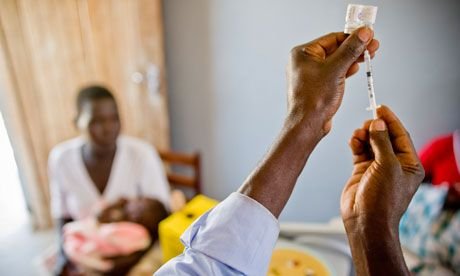
The Democratic Republic of the Congo (DR Congo) has trained doctors, nurses and other healthcare professionals who want to save lives and improve their communities.
Yet many face a difficult choice: remain in a struggling healthcare system or seek better opportunities abroad. For some, migration offers higher salaries, safer working conditions and opportunities to specialise. For others, it represents an escape from years of professional frustration. As a result, the country faces a painful challenge. The people needed to strengthen its hospitals are often the same people searching for a future elsewhere. This problem extends beyond individual ambition. It reflects deeper weaknesses in healthcare funding, employment, security and professional development that affect both medical workers and the patients who depend on them.
1. Low Salaries Make Staying Difficult
One major reason healthcare professionals leave DR Congo is the gap between their earnings and the cost of maintaining a reasonable standard of living. Doctors and nurses spend years studying, training and gaining clinical experience. However, their qualifications do not always translate into financial security at home.
Some healthcare workers also face delayed salaries, unpaid allowances or uncertainty about when their next payment will arrive. In such circumstances, even dedicated professionals may struggle to pay rent, support relatives and meet everyday expenses.
Meanwhile, countries that recruit internationally may offer substantially higher salaries and more predictable employment arrangements. The World Health Organization’s African health workforce reporting identifies salary differences and poor job quality as significant drivers of health worker migration across the continent.
Consequently, moving abroad can appear to be a practical decision rather than a rejection of one’s country. A nurse who can barely support a household at home may see overseas employment as a chance to provide for children, assist parents and save towards long-term goals.
2. Poor Working Conditions Drain Professional Motivation
A competitive salary matters, but money alone does not explain why medical workers leave. Healthcare professionals also need functioning equipment, essential medicines, adequate staffing and safe facilities.
In an under-resourced hospital, a doctor may have to make difficult decisions without access to the diagnostic tools or supplies needed for effective treatment. Nurses may care for more patients than they can reasonably manage. Furthermore, staff shortages can force healthcare workers to take extra shifts, increasing exhaustion and reducing their time for rest.
These pressures create a frustrating situation. Medical professionals are trained to provide appropriate care, yet the conditions around them may prevent them from doing their jobs effectively.
Over time, repeated professional frustration can damage morale. Workers may begin to feel that they cannot develop their skills or deliver the standard of care they believe patients deserve.
By contrast, a better-equipped hospital with clearer procedures and adequate staffing can offer a more supportive environment. Therefore, improving working conditions is essential if DR Congo wants to retain experienced professionals.
3. Career Opportunities Abroad Can Be More Attractive
Medical training does not end with graduation. Doctors may want to specialise in surgery, cardiology, paediatrics or other fields. Nurses may seek advanced clinical training, leadership roles or research opportunities.
However, access to specialist training, funded education and structured career progression can vary considerably between healthcare systems. When local opportunities are limited, ambitious professionals may look elsewhere.
Countries with established postgraduate programmes and clearer professional development pathways can become attractive destinations. In addition, international experience may help healthcare workers gain qualifications and expertise that they struggle to access at home.
The difficulty arises when professionals leave permanently and their expertise does not return to the Congolese health system.
DR Congo loses more than the immediate services those workers could have provided. It may also lose future trainers, clinical supervisors and experienced professionals who could have helped prepare the next generation of doctors and nurses.
To address this problem, healthcare institutions need transparent promotion systems, accessible specialist training and opportunities for professional growth. Better career prospects could encourage more workers to build their futures within the country.
4. Insecurity Makes Healthcare Work More Dangerous
Security concerns also influence the decisions of healthcare professionals, particularly in conflict-affected areas of eastern DR Congo.
Armed conflict and displacement place additional pressure on already stretched medical services. Hospitals and clinics may struggle to maintain supplies, transport patients or retain sufficient staff. In some areas, healthcare workers also face threats and violence while trying to provide treatment.
The consequences can be severe. Professionals may worry about their personal safety, their families’ security and their ability to continue working during prolonged periods of instability.
Recent reporting on the country’s 2026 Ebola response has also documented healthcare workers facing dangerous conditions, inadequate protective supplies and delayed payments. These reports illustrate the pressures that can intensify during a public health emergency.
Although not every medical worker leaves because of conflict, insecurity can make an already difficult working environment unbearable.
Therefore, retaining healthcare professionals requires more than salary increases. Authorities must also protect medical facilities, support frontline workers and establish reliable emergency arrangements.
5. Weak Health Financing Creates Wider Problems
The departure of doctors and nurses cannot be separated from the way a healthcare system receives and spends its money.
A 2026 African Union health-financing handbook describes DR Congo’s health system as fragmented, with substantial reliance on out-of-pocket payments and external assistance. It also identifies workforce shortages, delayed employment for some graduates and problems with essential medicine supplies.
These weaknesses reinforce one another. When funding fails to meet operational needs, facilities may struggle to maintain equipment, purchase medicines or provide dependable working conditions.
At the same time, patients who must pay directly for medical care may delay treatment because they cannot afford it. This can reduce access to essential services and place additional pressure on families already facing financial hardship.
Healthcare workers experience the effects from another direction. They may have the qualifications to treat patients but lack the resources required to provide effective care.
As a result, some professionals begin to question whether they can build a sustainable career within the system. Improving health financing, strengthening accountability and directing resources towards frontline services are therefore important parts of any retention strategy.
6. The Human Cost of Losing Skilled Medical Workers
When a doctor or nurse leaves, the consequences extend beyond the vacant position.
Remaining staff may need to take on additional patients and responsibilities. This increases workloads and can contribute to burnout among those who stay. Meanwhile, patients may experience longer waiting times, delayed treatment or reduced access to specialised services.
Rural communities can face particularly serious difficulties because medical professionals and specialist facilities may already be scarce outside major urban centres.
The departure of experienced professionals also affects medical education. Hospitals need skilled clinicians to supervise trainees, demonstrate procedures and share knowledge gained through years of practice.
Without enough experienced staff, training the next generation becomes more difficult. In turn, the system may struggle to replace the professionals it loses.
Families bear much of this burden. A patient who cannot find appropriate care nearby may need to travel long distances, spend money on transport or postpone treatment altogether.
Ultimately, healthcare migration is not only a workforce issue. It affects household finances, public health and the ability of communities to receive timely medical attention.
Can DR Congo Convince Its Doctors and Nurses to Stay?
Reducing the loss of healthcare professionals requires practical changes rather than appeals to patriotism alone.
Pay Salaries Reliably
Healthcare workers need predictable compensation. Governments and healthcare employers should improve payroll administration, address payment delays and establish transparent systems for allowances and overtime.
Reliable payment would not solve every problem, but it would help workers plan their lives and meet their responsibilities.
Improve Hospital Resources
Hospitals need dependable access to essential medicines, equipment, protective supplies and functioning facilities. In addition, authorities should address staffing shortages and improve workplace safety.
These measures would help medical professionals provide better care without facing preventable obstacles every day.
Expand Training and Career Development
DR Congo can strengthen retention by investing in postgraduate training, specialist education, mentorship and continuing professional development.
Partnerships with universities and hospitals abroad could also support training exchanges. Where possible, such arrangements should create opportunities for professionals to apply their new skills at home.
Build Fair and Accountable Institutions
Transparent recruitment, promotion and payroll systems can strengthen trust. Healthcare workers need confidence that qualifications, experience and performance will receive fair consideration.
Furthermore, effective management can help ensure that funding reaches the services and workers who need it.
Create Opportunities for the Diaspora to Contribute
Not every healthcare professional who moves abroad will return permanently. Nevertheless, the Congolese medical diaspora can still support the country’s health system through teaching, research partnerships, specialist visits and professional mentoring.
With appropriate coordination, international experience can become a source of knowledge rather than a permanent loss.
Keeping Medical Talent Requires Better Conditions
DR Congo’s loss of doctors and nurses reflects a difficult combination of financial pressure, poor working conditions, limited career opportunities, insecurity and wider weaknesses in health financing. For many professionals, leaving offers a chance to earn a dependable income, develop their expertise and protect their families’ future.
However, every departure can place additional pressure on hospitals and the communities they serve. The country cannot solve this challenge by asking medical workers to remain out of loyalty while leaving the conditions that drive them away unchanged.
Instead, retaining skilled professionals requires reliable salaries, safer workplaces, functioning equipment, fair career opportunities and stronger investment in healthcare.
Doctors and nurses need a realistic opportunity to build fulfilling careers without feeling that migration is their only path forward. By addressing the conditions that make staying difficult, DR Congo can begin to protect its medical workforce and improve access to care for its people.
The central question is not whether Congolese healthcare professionals care about their country. It is whether the healthcare system can give them enough reason, support and security to build their futures there.

