
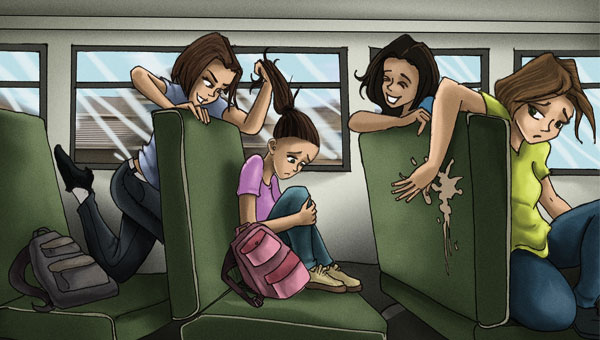
Peer pressure has always been part of growing up.
Young people naturally look to friends, classmates, and social groups for acceptance and guidance. However, the digital world has changed how peer pressure works. Today, it does not stop when someone leaves school, work, or a social gathering. Through smartphones, social media, messaging apps, gaming platforms, and online communities, young people can experience pressure at almost any time.
Digital peer pressure can influence what people wear, how they speak, what they buy, where they go, and even how they view themselves. Understanding it is therefore important for adolescents, parents, educators, and anyone who wants to build healthier relationships with technology.
What Is Peer Pressure?
Peer pressure occurs when people feel encouraged, influenced, or pressured to behave in a particular way because of the expectations of their peers.
Not all peer pressure is negative. Friends can encourage one another to study harder, exercise, develop useful skills, volunteer, or make responsible decisions. This is sometimes called positive peer influence.
The problem begins when someone feels they must do something uncomfortable, unsafe, or against their values simply to fit in.
For example, a teenager might participate in an online challenge because friends are doing it, share a private photograph because they fear being excluded, or spend money on a popular product because everyone in their social group appears to own it.
How the Digital World Has Changed Peer Pressure
Traditional peer pressure usually happened face-to-face. Digital technology has made it more constant and visible.
Social media platforms allow young people to see what their peers are doing throughout the day. Photos, videos, comments, likes, followers, and views can create the impression that everyone else is living a more exciting or successful life.
A teenager may see friends attending a party and feel left out. Another may notice classmates buying expensive clothes or phones and begin to feel inadequate. Someone else may see influencers promoting a particular lifestyle and believe they need to copy it to be accepted.
The pressure becomes stronger because online content can be repeated endlessly.
The Pressure to Fit In
One of the strongest forms of digital peer pressure is the desire to belong. Humans naturally want connection and acceptance. For young people, this need can be particularly powerful because friendships and social identity play an important role during adolescence.
Online groups can make belonging feel measurable. Followers, likes, comments, group memberships, and reactions can become symbols of popularity.
When someone receives little engagement on a post while their friends receive hundreds of reactions, they may begin questioning their appearance, personality, or social value.
This can create a dangerous cycle: post something, wait for approval, compare the response with others, and then change future behaviour to receive more approval.
Social Media and Unrealistic Comparisons
Social media often presents carefully selected versions of people’s lives.
People typically share celebrations, achievements, attractive photographs, vacations, relationships, new purchases, and other positive moments. They may not share their failures, financial difficulties, family problems, insecurities, or ordinary days.
As a result, young people can compare their complete lives with carefully edited versions of other people’s lives.
This can create thoughts such as:
- “Everyone is doing better than me.”
- “I need to look like them.”
- “My life is boring.”
- “I need more followers.”
- “I have to buy this to fit in.”
These thoughts can gradually affect confidence and self-esteem.
Digital Peer Pressure Among Adolescents
Adolescents may be particularly vulnerable to online peer pressure because they are still developing their identities and learning how to make independent decisions.
A young person may know that something is wrong but still participate because they fear losing friends.
Group chats can intensify this pressure. When several people agree on something, disagreeing can feel intimidating. Someone may also worry about becoming the subject of jokes, screenshots, gossip, or exclusion.
Online bullying can make matters worse. A person who refuses to participate in a trend or challenge may be mocked publicly or privately.
This is why conversations about digital safety should go beyond simply telling young people to “be careful online.”
Consumer Pressure and Trends
Digital peer pressure also affects spending.
Young people are constantly exposed to fashion trends, gadgets, beauty products, restaurants, entertainment, and other lifestyle products. Friends and influencers can make certain purchases appear essential.
Someone might buy a new phone because everyone in their group has one. Another person may purchase expensive clothing because they are worried about being judged for repeating outfits.
The pressure can become financially harmful when people spend money they cannot afford simply to maintain a certain image.
Learning to distinguish between wanting something and needing something is therefore an important life skill.
How Parents and Adults Can Help
Adults can help young people deal with peer pressure by creating an environment where honest conversations are encouraged.
Instead of immediately judging a young person’s online experiences, parents can ask questions such as:
“What do people in your group expect you to do?”
“Have you ever felt pressured to post or share something?”
“What happens when someone disagrees with the group?”
These questions can reveal problems that may otherwise remain hidden.
Adults should also teach young people that refusing to participate does not make them weak or unpopular. Having boundaries is a sign of confidence and maturity.
Building Digital Confidence
The best response to digital peer pressure is not necessarily to avoid technology completely. Young people need the skills to navigate digital spaces responsibly.
They can learn to:
- Think before posting or sharing.
- Question unrealistic online lifestyles.
- Avoid comparing themselves constantly with others.
- Leave online groups that encourage harmful behaviour.
- Talk to a trusted adult when something feels wrong.
- Protect private information and photographs.
- Recognize manipulation and online bullying.
- Spend time away from social media.
- Make decisions based on personal values rather than popularity.
The ability to say “No” is particularly important.
A person does not have to explain every boundary they establish online. Saying, “I’m not comfortable with that,” can be enough.
Creating Healthier Online Communities
Young people also have a role in reducing digital peer pressure.
Instead of encouraging harmful trends, friends can support one another’s positive decisions. Online communities can become places where people share knowledge, celebrate genuine achievements, encourage creativity, and provide emotional support.
Schools, families, youth organizations, and community groups can contribute by teaching digital citizenship alongside traditional life skills.
The goal should not be to make young people afraid of the internet. It should be to help them become confident enough to use it without allowing online approval to determine their worth.
Final Thoughts
Peer pressure has not disappeared in the digital age. It has simply become more immediate, visible, and difficult to escape. Social media and online communities can provide friendship, education, entertainment, and opportunities. However, they can also create pressure to look, spend, behave, and live in ways that do not reflect who someone truly is.
Understanding digital peer pressure begins with recognizing that popularity is not the same as value. A person’s worth cannot be measured by likes, followers, views, comments, or invitations.
The healthiest digital life is one where people can participate in online communities while still thinking independently, maintaining boundaries, and staying connected to their own values.