
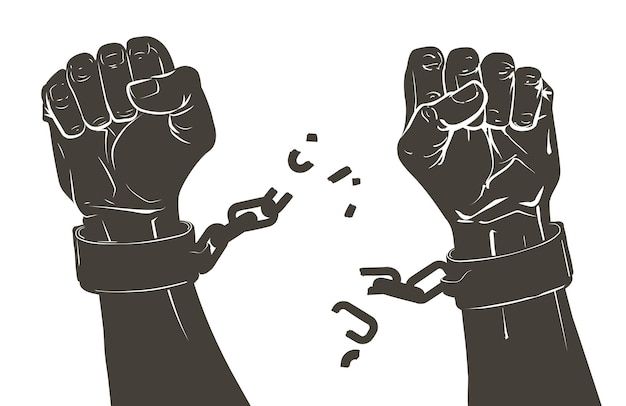
Learning to Forgive Without Excusing Harm: Finding Peace Without Betraying Yourself
Forgiveness is often presented as a beautiful act of love, maturity, and spiritual growth. We are encouraged to forgive those who hurt us, let go of bitterness, and move forward with our lives. In many families, religious communities, and relationships, forgiveness is treated as the final step towards peace.
However, there is a question that deserves more attention: what happens when the person who hurt you has not changed, refuses to take responsibility, or continues to behave in harmful ways?
Must you forgive them and pretend everything is fine? Does forgiving someone mean allowing them back into your life? Are you a bitter person if you still need distance from someone who has apologised?
These questions matter because forgiveness can become confusing when people use it to silence pain or protect those who cause harm.
Learning to forgive without excusing harm means releasing the desire to remain emotionally trapped by what happened while still acknowledging the wrongdoing, protecting your boundaries, and holding the person accountable for their actions.
You can choose peace without pretending that the pain was acceptable. You can forgive someone without trusting them again. Most importantly, you can move forward without abandoning yourself in the process.
What Does Forgiveness Really Mean?
Forgiveness is often misunderstood as forgetting, excusing, or immediately reconciling with someone who has hurt you. In reality, these are different things.
Forgiveness involves changing your relationship with the hurt, resentment, or desire for retaliation connected to an offence. It may happen gradually, and it does not require you to deny the consequences of what happened.
For example, imagine a friend shares something deeply personal about you despite promising to keep it private. Their actions damage your trust and leave you feeling exposed.
You may eventually decide that you no longer want to carry anger towards that person. However, you can still recognise that their behaviour was wrong and decide not to share sensitive information with them again.
That decision does not make your forgiveness meaningless.
Instead, it shows that you understand an important distinction: forgiveness concerns how you process the hurt, while trust concerns whether someone has demonstrated that they can treat you responsibly.
You do not have to erase the lesson to release the bitterness.
1. Acknowledge the Harm Before Trying to Forgive
One of the biggest mistakes people make is attempting to forgive before they have honestly acknowledged their pain.
Sometimes, they fear appearing weak. In other situations, family members, religious leaders, or friends pressure them to move on quickly. They may hear statements such as, “Nobody is perfect,” “You should be the bigger person,” or “Holding on to anger will destroy you.”
Although these statements may contain some truth, they can also minimise genuine suffering.
If someone repeatedly humiliates you, manipulates you, betrays your trust, or violates your boundaries, the first step is not pretending that their behaviour was harmless. It is acknowledging what happened and how it affected you.
Allow yourself to recognise the anger, sadness, disappointment, or confusion you feel.
You might ask yourself: What exactly hurt me? What did this experience change about how I see myself or other people? What do I need now to feel safe and supported?
These questions help you understand your experience rather than rush past it.
Remember, acknowledging harm does not mean choosing bitterness. It means refusing to build your healing on denial.
2. Understand That Forgiveness Is Not Excusing Behaviour
There is a difference between understanding why someone behaved badly and deciding that their behaviour was acceptable.
Perhaps someone grew up in a household where shouting and intimidation were normal. Maybe a partner struggles with insecurity, or a friend acted selfishly because they were under pressure.
These circumstances may help explain their actions. However, an explanation does not automatically remove responsibility.
A difficult childhood does not give someone permission to mistreat others. Stress does not justify cruelty, and emotional struggles do not make repeated manipulation harmless.
You can acknowledge the difficulties a person has experienced while recognising that they are responsible for how they treat you.
This distinction is especially important when dealing with people you love. Love can make us search endlessly for explanations because accepting the truth about someone’s behaviour feels painful.
Yet, you do not have to turn someone into a monster to admit that they hurt you. Equally, you do not have to turn them into a victim to justify their actions.
People can have admirable qualities and still behave in damaging ways.
Forgiveness allows you to release the need to remain consumed by their wrongdoing. Accountability allows you to recognise that their choices still have consequences.
Both can exist together.
3. Stop Confusing Forgiveness With Reconciliation
Forgiveness and reconciliation are not the same thing.
Forgiveness may be a personal process that you undertake without the other person’s participation. Reconciliation, on the other hand, involves rebuilding a relationship between people.
That process requires more than one person’s willingness to move forward. It usually requires honesty, accountability, changed behaviour, and a reasonable foundation for trust.
Imagine that a family member repeatedly insults you whenever you disagree with them. Eventually, you decide that you no longer want to carry resentment towards them.
You may forgive them while limiting conversations that expose you to further mistreatment. You might remain polite during family gatherings without sharing private details or allowing them to influence your personal decisions.
You are not necessarily being cruel. You are responding to the relationship as it currently exists.
Reconciliation may become possible if the person acknowledges their behaviour, respects your boundaries, and demonstrates meaningful change over time. However, you are not obligated to restore the relationship simply because you have forgiven them.
Sometimes, peace requires distance rather than renewed closeness.
4. Give Yourself Permission to Heal at Your Own Pace
Forgiveness cannot always be forced, especially when the harm was severe, repeated, or deeply personal.
You may understand intellectually that carrying resentment is exhausting while still feeling angry whenever you remember what happened. You may genuinely want peace but struggle with the fact that the person who hurt you seems unaffected by the consequences.
These feelings do not automatically mean you are failing.
Emotional healing often takes time because painful experiences can affect our sense of safety, self-worth, and ability to trust. Telling yourself to forgive immediately may only add guilt to an already difficult experience.
Instead, begin by focusing on what you can control.
You can reduce unnecessary contact with the person, talk to someone you trust, write down your feelings, or seek professional support when the experience continues to affect your daily life.
You can also recognise that forgiveness may develop in stages. Some days, you may feel at peace. On other days, a reminder may bring the pain back.
You do not need to punish yourself for having a human response to something that hurt you.
And remember, choosing not to forgive right now does not mean you must spend your life consumed by anger. You can work towards safety, acceptance, and emotional freedom without forcing yourself to reach a particular conclusion before you are ready.
5. Establish Boundaries Without Feeling Guilty
Many people struggle with forgiveness because they believe being a good person means remaining available to everyone, regardless of how they behave.
This belief can be particularly powerful in families and close relationships, where loyalty is often treated as an obligation rather than a choice.
You may feel guilty about refusing a request, reducing contact, or telling someone that their behaviour is unacceptable. You might worry that other people will call you disrespectful, unforgiving, or selfish.
However, boundaries are not necessarily acts of punishment. They help define what you will accept, what you need, and how you will respond when someone crosses a line.
A boundary might sound like this:
“I care about our relationship, but I will not continue conversations where I am being insulted.”
Or, “I accept your apology, but I need time before I can feel comfortable around you again.”
These statements do not deny the possibility of forgiveness. They communicate that your emotional well-being matters too.
Healthy boundaries also require action. If someone repeatedly ignores a stated limit, you may need to end the conversation, reduce contact, or seek additional support.
You cannot control whether another person respects your boundaries. However, you can decide what steps you will take to protect yourself.
6. Release the Need for an Apology You May Never Receive
One of the hardest parts of being hurt is accepting that the person responsible may never acknowledge what they did.
They may deny the incident, blame you, minimise the consequences, or continue living as though nothing happened. Meanwhile, you may find yourself replaying conversations and imagining the day they finally understand your pain.
It is natural to want accountability. A sincere apology can validate your experience and help repair a relationship.
However, waiting indefinitely for another person to provide that validation can keep your emotional life tied to their decisions.
Their refusal to acknowledge your pain does not automatically make your experience less real.
You can recognise what happened, seek support, learn from the experience, and make decisions that protect your future without waiting for the person responsible to agree with your interpretation.
This does not mean pretending accountability is unimportant. It means recognising that your ability to heal should not depend entirely on someone else’s willingness to change.
Sometimes, the closure you need begins when you stop expecting the person who caused the wound to become the person who heals it.
7. Learn to Forgive Yourself Too
Sometimes, the person you struggle most to forgive is yourself.
Perhaps you ignored warning signs, stayed in a relationship longer than you intended, trusted someone who betrayed you, or reacted to pain in a way you now regret.
You may replay the experience and wonder why you did not leave sooner, speak up earlier, or recognise what was happening.
Self-reflection can help you make better decisions. However, repeatedly insulting yourself for what you did not understand at the time rarely creates meaningful growth.
You deserve the opportunity to learn without treating your past self with contempt.
Acknowledge your mistakes honestly. Take responsibility for any harm you caused. Where appropriate, apologise and make amends. Then identify what you can do differently in the future.
You can regret a decision without defining yourself by it.
You can recognise that you contributed to a difficult situation without assuming responsibility for someone else’s harmful behaviour.
Most importantly, you can become wiser without believing that you must suffer forever to prove that you understand your mistakes.
You Can Choose Peace Without Denying the Truth
Learning to forgive without excusing harm is an act of emotional maturity. It requires you to acknowledge your pain, recognise wrongdoing, establish healthy boundaries, and gradually release the hold that resentment may have on your life.
It also requires honesty about what forgiveness cannot guarantee. It cannot force someone to change, restore lost trust overnight, erase painful memories, or make an unsafe relationship healthy.
You may forgive someone and still decide that the relationship must end. You may accept an apology without immediately trusting the person again. You may even need more time before you can meaningfully consider forgiveness.
None of these decisions automatically makes you a bitter person.
True peace does not require you to pretend that the harm never happened. It allows you to acknowledge the truth without allowing that experience to determine every decision you make.
You are allowed to learn from what happened. You are allowed to protect yourself. You are allowed to move forward without reopening a door that repeatedly brought pain into your life.
Forgiveness is not permission for someone to hurt you again. It is a personal journey towards freedom, one that can honour both your capacity for compassion and your right to be treated with dignity.