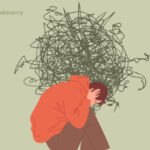

Healing from Toxic Relationships: How to Rebuild Your Confidence and Find Peace
Relationships can bring love, comfort, security, and companionship. However, not every relationship contributes positively to our lives. Some leave us feeling anxious, emotionally exhausted, insecure, or disconnected from ourselves. When a relationship repeatedly damages our emotional well-being, it may be time to acknowledge the harm and begin the process of healing.
Healing from a toxic relationship is rarely easy. It can involve grief, self-doubt, loneliness, and questions about why things happened the way they did. You may miss someone who hurt you or struggle to understand why leaving was so difficult. These feelings are normal, and they do not mean you are weak.
The good news is that healing is possible. With time, healthy boundaries, self-reflection, and appropriate support, you can rebuild your confidence and develop healthier relationships.
What Is a Toxic Relationship?
A toxic relationship is a relationship in which repeated patterns of behaviour undermine one or both people’s emotional well-being, confidence, or sense of safety.
Toxic patterns can occur in romantic relationships, friendships, family relationships, and even professional environments. They may include constant criticism, manipulation, dishonesty, disrespect, excessive control, or a refusal to take responsibility for harmful actions.
For example, a partner might repeatedly dismiss your feelings, make you feel guilty for spending time with friends, or blame you for every disagreement. A friend might only contact you when they need something but disappear whenever you need support.
It is important to distinguish occasional conflict from persistent harmful behaviour. Every relationship experiences disagreements. However, healthy relationships allow people to communicate, apologise, respect boundaries, and work towards solutions.
In contrast, toxic dynamics often involve recurring problems without meaningful change.
Some relationships also involve emotional, physical, sexual, or financial abuse. These situations require particular attention because they can threaten a person’s safety and independence.
Signs You May Be in a Toxic Relationship
Recognising harmful patterns is an important first step towards healing. However, identifying them can be difficult when you have become emotionally attached to the person involved.
Here are some warning signs to consider:
1. You Constantly Question Your Worth
You may begin to believe that you are not attractive, intelligent, capable, or deserving of love. Repeated criticism and humiliation can gradually weaken your self-esteem.
Over time, you might depend on the other person’s approval to feel good about yourself.
2. You Feel Afraid to Express Yourself
You may avoid discussing your feelings because you fear anger, punishment, rejection, or another argument. Consequently, you begin suppressing your needs to maintain temporary peace.
A relationship should allow room for honest conversations without intimidation.
3. Your Boundaries Are Consistently Ignored
Perhaps you have explained that certain comments hurt you or that you need personal space. Yet the other person continues disregarding your wishes.
When someone repeatedly ignores reasonable boundaries, it can leave you feeling powerless and unheard.
4. You Experience Repeated Manipulation
Manipulation may involve guilt-tripping, threats, blame-shifting, or making you doubt your understanding of events. You might find yourself apologising for problems you did not create.
Over time, this can make it difficult to trust your own judgment.
5. You Feel Emotionally Drained
Instead of feeling supported, you frequently feel exhausted after interacting with the person. You may spend hours analysing conversations, anticipating their reactions, or worrying about the next disagreement.
These experiences do not automatically prove that a relationship is toxic. However, persistent patterns deserve careful attention.
Why Is Healing from a Toxic Relationship So Difficult?
Understanding why healing takes time can help you approach yourself with greater compassion.
Emotional attachment does not disappear immediately. You may still love someone even after recognising that the relationship is unhealthy. Memories of happy moments can make it difficult to accept the full reality of what happened.
You may be grieving the future you imagined. Perhaps you expected marriage, a lasting friendship, or a supportive family relationship. Losing that possibility can hurt as much as losing the relationship itself.
Your confidence may have suffered. When someone repeatedly criticises or dismisses you, you may begin questioning your ability to make good decisions. This self-doubt can make it harder to move forward.
You may blame yourself. Questions such as “Why did I stay?” or “Why didn’t I notice the signs?” can become overwhelming. However, understanding a situation is more helpful than punishing yourself for past decisions.
In some relationships, periods of affection alternate with conflict and mistreatment. This inconsistency can make it especially difficult to detach emotionally.
Remember that missing someone does not mean the relationship was healthy. You can appreciate the good memories while still acknowledging the harm.
Practical Steps to Heal from a Toxic Relationship
Healing is a personal process. There is no universal timeline, but certain steps can help you regain your emotional balance.
1. Acknowledge What Happened
Begin by being honest about your experience. Avoid minimising repeated disrespect simply because you loved the person or because the relationship occasionally felt wonderful.
You can write down specific incidents, how they made you feel, and whether the behaviour changed after you discussed it.
This exercise can help you recognise patterns and separate what happened from what you hoped would happen.
Acknowledging the truth does not require hating the other person. It means accepting that your emotional well-being matters.
2. Establish Healthy Boundaries
Boundaries help protect your emotional space, time, values, and personal safety.
If you have ended the relationship, consider limiting unnecessary contact. You may also need to mute or unfollow the person on social media to reduce emotional triggers.
In situations involving shared responsibilities, such as parenting or work, keep communication focused on essential matters where possible.
If the relationship involves threats, stalking, or abuse, prioritise safety rather than confronting the person or announcing your plans to leave. Seek trusted assistance and develop a safety plan.
Remember that setting boundaries is not about controlling another person’s behaviour. It is about deciding what you will accept and how you will respond when your limits are crossed.
3. Allow Yourself to Grieve
You do not have to pretend that you are fine immediately after leaving a painful relationship.
You may experience sadness, anger, relief, confusion, or loneliness. Sometimes, these emotions appear together.
Give yourself permission to feel them without judging your progress. Cry when you need to, write in a journal, rest, or talk to someone you trust.
Avoid measuring your healing against another person’s timeline. Your experience is unique, and recovery may take longer than you expected.
4. Rebuild Your Self-Esteem
Toxic relationships can cause you to lose touch with your identity. You may have abandoned hobbies, friendships, personal goals, or interests to keep someone else happy.
Start reconnecting with the parts of yourself you neglected.
Set small, achievable goals. Return to activities you enjoy, learn a new skill, spend time with supportive people, and celebrate your progress.
You can also practise challenging negative thoughts. Instead of believing, “I am difficult to love,” ask yourself whether that conclusion reflects reality or repeated criticism you have internalised.
Your worth is not determined by how someone treated you.
5. Reconnect with Supportive People
Isolation can make healing more difficult. Reach out to friends, relatives, mentors, or community members who listen without judging you.
If you are in Nigeria, you might also consider speaking with a qualified counsellor or therapist who understands relationship difficulties and emotional abuse.
Professional support can help you process painful experiences, identify unhealthy patterns, and develop practical coping strategies.
You do not need to wait until you feel completely overwhelmed before seeking help.
6. Learn from the Experience Without Blaming Yourself
Reflection can help you recognise patterns and make more informed decisions in future relationships.
Ask yourself questions such as:
- Which behaviours made me uncomfortable but I repeatedly ignored?
- Did I feel safe expressing my needs?
- What boundaries do I want to establish in the future?
- What qualities do I need in a healthy relationship?
These questions are not an invitation to blame yourself for another person’s harmful behaviour. Responsibility for abuse belongs to the person who commits it.
The purpose of reflection is to strengthen your understanding of yourself and your needs.
7. Practise Self-Care Consistently
Emotional recovery can affect sleep, appetite, concentration, and motivation. Simple routines can provide stability during this period.
Try to maintain regular meals, get enough sleep, move your body, and spend time outdoors when possible. Limit habits that leave you feeling worse, such as repeatedly checking an ex-partner’s social media.
You do not need an elaborate wellness routine. Small, consistent actions can help you feel more grounded.
How to Build Healthier Relationships in the Future
Healing is not only about recovering from the past. It is also about learning what you want from future relationships.
Healthy relationships generally include mutual respect, honesty, emotional safety, accountability, and room for individual growth.
Pay attention to how someone responds when you disagree, express a need, or establish a boundary. Their response can reveal important information about how they approach relationships.
Learn to communicate your expectations clearly. At the same time, recognise that healthy relationships require effort from both people.
Do not feel pressured to enter another relationship simply to escape loneliness or prove that you have moved on. Give yourself time to understand your needs and rebuild your sense of identity.
Most importantly, remember that you do not need to become perfect before you deserve a healthy relationship.
When Should You Seek Professional Help?
Consider speaking with a mental health professional if you experience persistent anxiety, difficulty sleeping, intense guilt, recurring distressing memories, or problems functioning in your daily life.
Professional support is also valuable if you repeatedly return to harmful relationships and struggle to understand the pattern.
If you are experiencing physical violence, sexual abuse, stalking, or threats, your immediate safety should come first. Contact trusted people, local support organisations, or emergency services where necessary. If you are in immediate danger in Nigeria, call the police emergency number, 112.
You deserve support, regardless of how long the relationship lasted or whether other people understand your experience.
Conclusion: Give Yourself Permission to Begin Again
Healing from a toxic relationship is not about forgetting everything that happened. It is about reaching a point where those experiences no longer control your decisions, define your worth, or determine what you believe you deserve.
There may be difficult days when you miss the person or question your decision. Those moments do not erase your progress.
Be patient with yourself. Establish boundaries, seek support, reconnect with your interests, and learn to trust your judgment again.
You cannot change the past, but you can make choices that protect your future.
Above all, remember that love should not require you to abandon yourself. You deserve relationships in which your feelings matter, your boundaries are respected, and you can grow without fear.
You are allowed to choose peace, even when choosing it means letting go.