
Social media has transformed the way people communicate, learn, work, and entertain themselves.
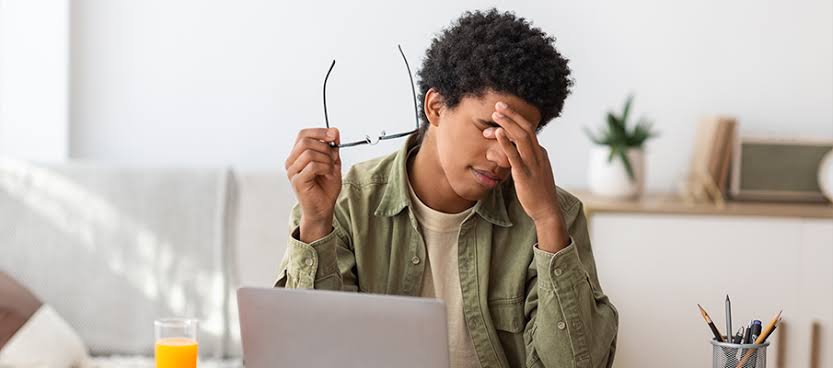
Platforms such as Instagram, TikTok, Facebook, X, and LinkedIn have made it easier than ever to stay connected with friends, family, and global communities. While these digital spaces offer many benefits, they have also introduced new challenges for mental health. One of the most significant concerns is the growing relationship between social media use and anxiety.
In today’s highly connected world, many individuals experience pressure to keep up with online trends, maintain a perfect digital image, and constantly compare themselves to others. Understanding how social media influences anxiety is an important step toward developing healthier online habits and protecting emotional well-being.
What Is Anxiety?
Anxiety is a natural response to stress or perceived threats. It can help people stay alert and prepared in challenging situations. However, when feelings of worry, fear, or nervousness become persistent and overwhelming, anxiety can interfere with daily life.
Common symptoms of anxiety include:
- Excessive worrying
- Restlessness
- Difficulty concentrating
- Increased heart rate
- Sleep disturbances
- Irritability
- Feelings of dread or panic
While anxiety can stem from various factors, social media has become an increasingly influential contributor for many people, especially adolescents and young adults.
How Social Media Contributes to Anxiety
1. The Comparison Culture
One of the most common sources of social media-related anxiety is constant comparison. Users are often exposed to carefully curated images of success, beauty, wealth, travel, relationships, and achievements.
Because people typically share highlights rather than everyday struggles, viewers may develop unrealistic expectations about what life should look like. This can lead to feelings of inadequacy, low self-esteem, and anxiety about not measuring up.
2. Fear of Missing Out (FOMO)
Fear of Missing Out, commonly known as FOMO, occurs when individuals feel anxious that others are having rewarding experiences without them. Seeing friends attend events, achieve milestones, or enjoy social activities can create feelings of exclusion.
This anxiety often drives people to check their phones repeatedly, stay online longer than intended, and become overly concerned about staying informed and connected.
3. Validation Through Likes and Comments
Many social media platforms encourage engagement through likes, shares, comments, and followers. While positive feedback can feel rewarding, relying on online validation can create emotional dependence.
Users may become anxious when posts receive less attention than expected or when they perceive a decline in their online popularity. Over time, self-worth may become tied to digital approval rather than personal values and real-life relationships.
4. Information Overload
The constant stream of news, opinions, and updates can be overwhelming. Social media exposes users to global crises, political debates, economic uncertainties, and personal stories around the clock.
While staying informed is important, excessive exposure to distressing content can increase feelings of helplessness, stress, and anxiety.
5. Cyberbullying and Online Harassment
Digital communication can sometimes encourage negative behavior. Cyberbullying, public criticism, harassment, and online shaming can have serious psychological effects.
Victims may experience heightened anxiety, social withdrawal, depression, and reduced confidence. The fact that online content can spread rapidly often intensifies these emotional impacts.
Why Young People Are Particularly Vulnerable
Young people have grown up in a digital environment where social media plays a central role in social interaction and identity formation. During adolescence and early adulthood, individuals are naturally more sensitive to peer acceptance and social feedback.
As a result, young users may be more likely to:
- Compare themselves to others
- Seek validation online
- Experience social pressure
- Feel excluded from peer groups
- Develop unhealthy screen habits
This does not mean social media is inherently harmful, but it highlights the importance of digital literacy and healthy boundaries.
Signs That Social Media May Be Affecting Your Mental Health
It may be time to reassess social media habits if you notice:
- Feeling anxious after using social platforms
- Constantly checking notifications
- Comparing yourself negatively to others
- Difficulty sleeping due to screen time
- Feeling stressed when unable to access social media
- Neglecting real-life relationships and responsibilities
- Experiencing mood changes linked to online interactions
Recognizing these warning signs can help prevent anxiety from becoming more severe.
Strategies for Maintaining Healthy Social Media Habits
Set Time Limits
Establish daily limits for social media use. Many smartphones include screen-time tracking tools that help users monitor and manage their digital habits.
Curate Your Feed
Follow accounts that inspire, educate, and uplift rather than those that consistently trigger negative emotions or comparisons.
Take Regular Breaks
Short digital detox periods can improve focus, reduce stress, and strengthen real-world relationships. Even a few hours away from social media can make a noticeable difference.
Practice Mindful Consumption
Before scrolling, ask yourself why you are using social media. Being intentional can reduce mindless browsing and emotional exhaustion.
Focus on Real-Life Connections
Spending time with family, friends, and community groups can provide emotional support that online interactions often cannot fully replace.
Seek Professional Support
If anxiety becomes persistent or interferes with daily functioning, speaking with a mental health professional can provide valuable guidance and coping strategies.
The Positive Side of Social Media
Despite its challenges, social media can also support mental well-being when used responsibly. It can help people:
- Access educational resources
- Find supportive communities
- Connect with loved ones
- Raise awareness about mental health
- Share experiences and encouragement
The goal is not necessarily to eliminate social media from our lives but to use it in ways that support rather than undermine mental health.
Conclusion
Social media has become an integral part of modern life, offering unprecedented opportunities for connection and communication. However, its influence on mental health, particularly anxiety, cannot be ignored. Constant comparison, fear of missing out, online validation, and information overload can all contribute to heightened stress and emotional strain.
By developing healthier digital habits, setting boundaries, and prioritizing real-world well-being, individuals can enjoy the benefits of social media while minimizing its negative effects. In an age where screens are always within reach, maintaining a balanced relationship with technology is one of the most important steps toward protecting mental and emotional health.